 Montana Builders
Missoula & Western Montana
Septic and Well Planning for Your Western Montana Home
Septic and well planning for Montana homes should begin before land is purchased or plans are finalized, since drainfield location, soil conditions, and county regulations determine where a home and driveway can sit. Montana Builders guides Missoula-area homeowners through this early planning to avoid costly redesigns. Explore Excavation Services and Home Construction in Missoula, or book a consultation to plan your site.
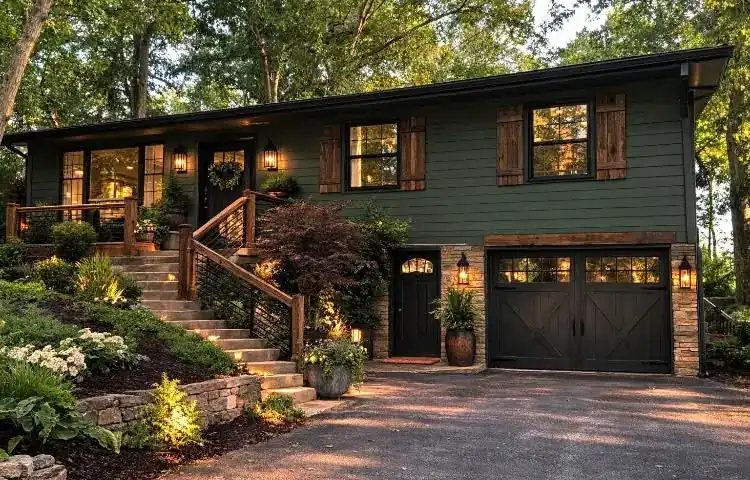
Septic and Well Planning for Rural Montana Homes Near Missoula: What to Know First
Septic and well planning is one of the most critical — and most underestimated — components of rural home construction in Western Montana. Montana Builders guides Missoula-area land buyers across Lolo, Frenchtown, Florence, Stevensville, and Clinton through the evaluation, permitting, and construction coordination of septic systems and private wells before a home design is finalized.
What Are the Septic and Well Requirements for Rural Missoula County Properties?
Key septic considerations in Missoula County include perc test results, required leach field size, setback distances from wells and property lines, and Missoula County Environmental Health permitting. Well drilling feasibility, depth estimates, and water quality testing are equally important for rural Western Montana properties. Montana Builders coordinates with licensed septic designers and well drillers, integrating their work into the broader home construction schedule.
Getting septic and well planning right before construction prevents costly redesigns and permitting delays mid-project. Montana Builders identifies utility requirements during our pre-construction consultation. Call (406) 239-7799 or book a rural site consultation online. Our construction blog covers related topics including building on acreage and foundation planning in Western Montana.
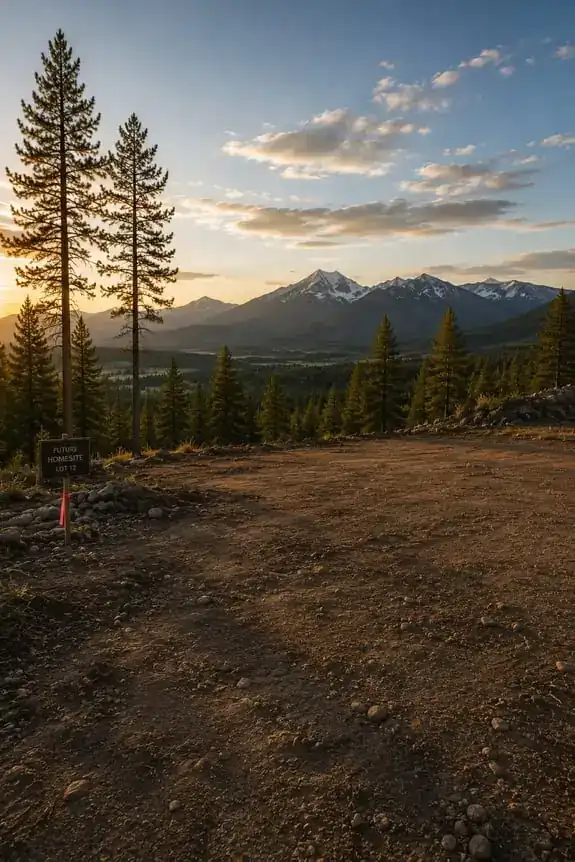
Septic and Well Planning for Montana Homes
Septic and Well Planning for Montana Homes
For many homes throughout Western Montana, especially on acreage and rural property, proper septic and well planning is critical to the success of the entire project. Septic systems, drainfields, water availability, utility placement, drainage, and county requirements can all affect where the home can legally and realistically be built.
Many homeowners focus first on floor plans and mountain views, but the property itself often determines how the entire homesite must be designed.
At Montana Builders, we help homeowners throughout Missoula and Western Montana understand the septic and well planning process before construction begins.
Whether you are building near Missoula, Hamilton, Stevensville, Florence, Polson, Kalispell, Whitefish, Bigfork, Seeley Lake, the Bitterroot Valley, Flathead Valley, or surrounding Montana communities, strong utility and site planning can help reduce delays, improve budgeting, and avoid expensive surprises later.
If you are early in the planning process, we also recommend reading our Build on Your Land in Montana, Raw Land Home Building Guide, and Pre Construction Planning Guide for Montana Homes resources.
Why Septic and Well Planning Matters
For many rural Montana properties, septic systems and wells are not optional. They are essential parts of the home development process.
The placement of these systems often affects:
- Home location
- Driveway layout
- Drainage planning
- Utility routing
- Excavation
- Buildable area
- Setbacks
- Future additions
- Guest homes or ADUs
In many cases, the septic system and well placement should be planned before finalizing the home location.
Good planning early helps reduce redesigns, delays, and expensive site conflicts later.
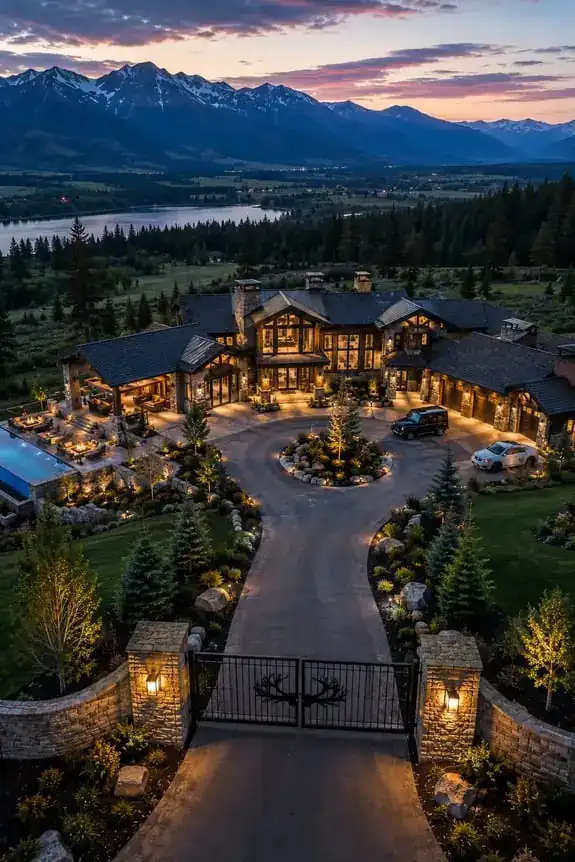
When Septic and Well Planning Should Begin
One of the biggest mistakes homeowners make is waiting too long to evaluate septic and water systems.
Ideally, septic and well considerations should begin:
- Before buying raw land
- Before finalizing home plans
- Before excavation begins
- Before selecting the final homesite location
Some properties may have incredible views but limited septic placement options or difficult well conditions.
Understanding those limitations early is one of the smartest things a homeowner can do.
How the work goes
Understand Whether the Property Has Existing Utilities
Some properties already have:
- Existing wells
- Approved septic systems
- Previous drainfields
- Utility hookups
- Prior site evaluations
Other properties may require completely new systems.
Before construction begins, homeowners should verify:
- Existing permits
- Well records
- Septic approvals
- Drainfield locations
- Replacement septic areas
- Property setbacks
- Utility easements
Older systems may not always meet current requirements or may need further evaluation depending on the project.
Soil Evaluation and Septic Feasibility
One of the most important parts of septic planning is understanding the soil conditions on the property.
Septic suitability often depends on:
- Soil absorption
- Drainage characteristics
- Groundwater conditions
- Slope
- Rock content
- Floodplain conditions
- Available drainfield area
Some properties may require engineered septic systems depending on the terrain or soil conditions.
The septic evaluation process helps determine where the drainfield and replacement areas can legally be located.
Understand Drainfield and Replacement Area Requirements
Many homeowners are surprised to learn that septic planning often requires both:
- Primary drainfield area
- Replacement drainfield area
These areas affect how the property can be developed long term.
Drainfields may limit:
- Future shops
- Guest homes
- ADUs
- Driveway placement
- Landscape features
- Retaining walls
- Outdoor living spaces
This is why septic planning should happen before finalizing the full property layout.
Plan the Well Location Carefully
Well placement matters just as much as septic placement.
The well location may affect:
- Utility trenching
- Driveway planning
- Future landscaping
- Home placement
- Water line routing
- Septic setbacks
- Excavation planning
In rural Montana, some wells may require deeper drilling depending on groundwater availability and geological conditions.
Water production rates can also vary significantly between properties.
Understand Utility Coordination
Septic and well systems are only part of the overall utility planning process.
Homeowners may also need to coordinate:
- Power extension
- Transformer installation
- Utility trenching
- Internet service
- Propane systems
- Temporary construction power
- Drainage systems
Good coordination early helps reduce unnecessary excavation and utility conflicts later.
Plan for Excavation and Site Conditions
Excavation and terrain can significantly affect septic and well installation costs.
Steep or rocky properties may require:
- Additional excavation
- Retaining systems
- Drainage improvements
- Longer trenching distances
- Specialized equipment access
- Slope stabilization
Mountain properties and remote acreage often require much more planning than flatter residential lots.
Understand County and Health Department Requirements
Different counties throughout Montana may have different permitting requirements for septic systems and wells.
Depending on the project, homeowners may need:
- Site evaluations
- Septic permits
- Well approvals
- Engineering review
- Drainfield approval
- Replacement area verification
- County inspections
- Health department approvals
Permit timelines can vary depending on the county, engineering requirements, and overall project complexity.
Planning early helps reduce delays later.
Plan for Future Expansion
One of the advantages of acreage property is the ability to expand later.
Some homeowners eventually add:
- Shops
- Guest homes
- ADUs
- Detached garages
- Barns
- Outdoor living spaces
Poor septic and utility planning early can limit future expansion opportunities.
Good long term planning helps preserve flexibility for future development.
Understand Water Quality and Production
Water availability is important, but water quality matters too.
Depending on the property, homeowners may eventually test for:
- Water production rates
- Mineral content
- Water quality
- Sediment
- Hardness
- Filtration needs
Different properties throughout Montana may have very different groundwater conditions.
Understanding the water system early helps homeowners plan long term utility performance.
Common Septic and Well Planning Mistakes
Some of the most common mistakes homeowners make include:
- Buying land before evaluating septic feasibility
- Ignoring replacement drainfield requirements
- Waiting too long to plan utilities
- Designing the home before understanding setbacks
- Underestimating excavation difficulty
- Ignoring drainage concerns
- Failing to plan for future expansion
- Assuming every property has easy water access
- Underestimating utility coordination costs
Good planning helps reduce many of these expensive surprises before construction begins.
Why Builder Involvement Early Matters
One of the smartest things homeowners can do is involve the builder early in the planning process.
Builder involvement can help homeowners:
- Evaluate site conditions
- Coordinate septic placement
- Improve utility planning
- Review excavation challenges
- Reduce redesign costs
- Improve budgeting
- Plan drainage more effectively
- Understand realistic development costs
At Montana Builders, we believe strong pre construction planning creates smoother projects and better long term results.
Areas Montana Builders Serves
Depending on the project, Montana Builders may travel roughly two to two and a half hours from Missoula for custom home construction and rural property development projects.
Distances are straight-line from Lolo, not drive times.
Projects near Bozeman and Big Sky are taken on depending on scope and logistics.
Map data © OpenStreetMap contributors.
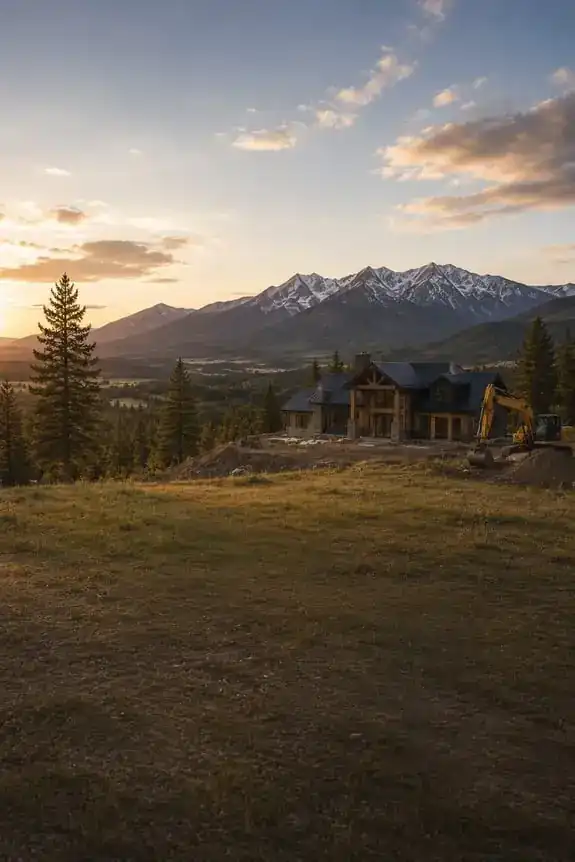
Final Thoughts
Septic and well planning are some of the most important parts of building a custom home on rural property in Montana.
Drainfields, water systems, utility placement, excavation, drainage, and county approvals all affect the overall layout and long term performance of the property. Understanding those conditions early helps homeowners avoid expensive surprises later.
Whether you are building on acreage, mountain property, raw land, or rural homesites throughout Western Montana, Montana Builders can help guide the planning process from early development through final construction.
Start by exploring our Build on Your Land in Montana, Raw Land Home Building Guide, and Pre Construction Planning Guide for Montana Homes resources.
Luxury Custom Homes in Western Montana
Mountain Modern Home Design in Montana
Start your project
Ready to Start Planning Your Montana Homesite?
Montana Builders helps homeowners throughout Western Montana plan and build custom homes with realistic septic planning, utility coordination, excavation guidance, and experienced project management.