 Montana Builders
Missoula & Western Montana
Planning a Raw Land Home Build in Western Montana
Building on raw land in Montana requires evaluating buildability, planning driveway access, and budgeting early for septic and well systems, utility extensions, and excavation before design begins. Montana Builders, a Trusted Excavation Contractor serving Missoula and Western Montana, helps homeowners avoid costly surprises. See Excavation Services and Concrete Services & Foundations, then Book a Consultation.
Raw Land Home Building Guide for Western Montana: From Bare Acres to Move-In Ready
Building a home on raw land in Western Montana is one of the most rewarding — and most complex — construction journeys a property owner can undertake. Montana Builders' raw land building guide walks prospective home builders through every phase: from initial land evaluation and utility planning through site preparation and home construction across Missoula, Lolo, Frenchtown, Florence, Stevensville, and Clinton.
What Do You Need to Know Before Building on Raw Montana Land Near Missoula?
Key raw land building considerations in Missoula County include perc tests for septic feasibility, well drilling assessments, power and gas extension costs, road and driveway construction, and building setback requirements. Montana Builders evaluates all of these factors during our pre-construction consultation and develops a comprehensive project plan that accounts for Western Montana's site development realities.
Montana Builders has guided dozens of Missoula-area families through the raw land to finished home journey. Our 26-year track record means we anticipate the challenges before they become problems. Call (406) 239-7799 or schedule a land assessment consultation to begin your Western Montana custom home journey. Our blog covers related topics including septic planning and mountain modern home design.
Raw Land Home Building Guide
Raw Land Home Building Guide
Buying raw land in Montana can be one of the most exciting investments a homeowner makes. Large acreage, mountain views, privacy, wildlife, rivers, forests, and open space are some of the biggest reasons people choose to build throughout Western Montana.
But raw land construction is very different from building in an established subdivision or on a fully developed lot.
Many raw land properties require significant planning before construction even begins. Access roads, excavation, utilities, septic systems, drainage, permits, engineering, and site development all play a major role in determining what can realistically be built and how much the project may cost.
At Montana Builders, we help homeowners throughout Missoula and Western Montana understand the full process of developing raw land into a buildable homesite.
Whether you are building near Missoula, Hamilton, Stevensville, Florence, Seeley Lake, Polson, Kalispell, Whitefish, Bigfork, the Bitterroot Valley, Flathead Valley, or surrounding Montana communities, understanding the land itself is one of the most important steps in the entire custom home process.
If you are early in the planning phase, we also recommend reading our Build on Your Land in Montana, Pre Construction Planning Guide for Montana Homes, and Cost to Build a Custom Home in Montana resources.
What Is Raw Land?
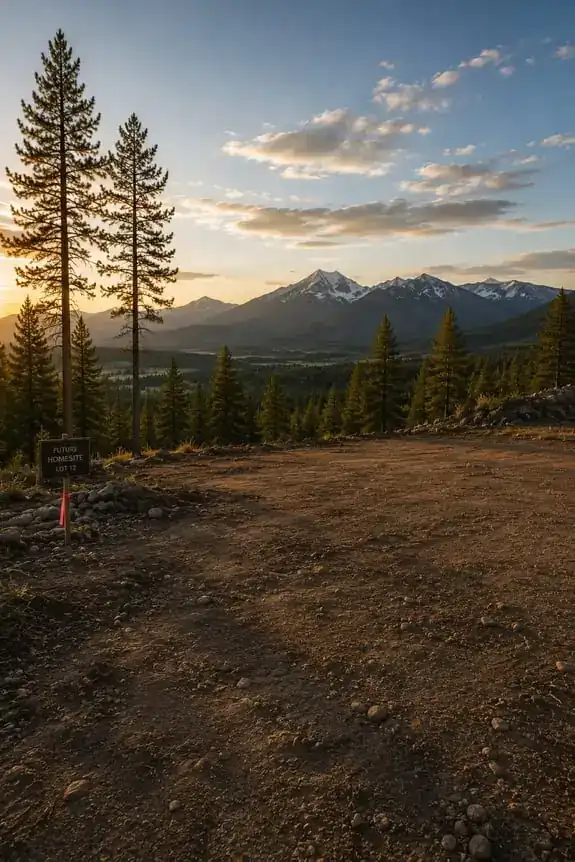
Raw land typically refers to undeveloped property without major infrastructure already installed.
Unlike finished subdivision lots, raw land may not yet have:
- Utilities
- Driveways or roads
- Well systems
- Septic systems
- Drainage improvements
- Power service
- Internet service
- Cleared building areas
- Engineering review
In many cases, raw land is simply natural Montana property waiting to be developed.
That freedom is part of what makes it attractive, but it also means the homeowner must carefully evaluate the land before construction begins.
Why Building on Raw Land Is Different
Building on raw land requires much more planning than many homeowners initially expect.
The home itself is only one part of the project. Before framing begins, the property often needs to be evaluated for:
- Buildability
- Site access
- Excavation conditions
- Drainage
- Utility access
- Well feasibility
- Septic suitability
- Slope and terrain
- Winter access
- Fire access
- County setbacks
- Floodplain considerations
Some raw land properties are very straightforward to develop. Others may require extensive excavation, retaining walls, long driveways, utility extensions, or engineered site work.
The earlier these conditions are identified, the smoother the project usually becomes.
How the work goes
Evaluate the Property Before Buying
One of the smartest things a homeowner can do is involve a builder before purchasing raw land.
A property may look beautiful online or during a showing, but the actual development costs may be very different than expected.
Before buying land, homeowners should evaluate:
- Road access
- Driveway feasibility
- Slope and grade
- Drainage patterns
- Rock and excavation conditions
- Tree density
- Buildable area
- Well possibilities
- Septic suitability
- Utility distance
- Floodplain concerns
- Fire access requirements
- Winter accessibility
- County zoning and setbacks
In Montana, the terrain itself can dramatically affect the final construction cost.
A steep mountain parcel with difficult access may cost significantly more to develop than a flatter property with existing utility access.
Understand Access and Driveway Planning
Access is one of the most important parts of developing raw land.
Excavation crews, concrete trucks, utility providers, suppliers, inspectors, and future homeowners all need safe access to the homesite.
Some raw land properties may require:
- Long driveways
- Culverts
- Road widening
- Drainage improvements
- Retaining walls
- Tree clearing
- Grade adjustments
- Temporary construction roads
In winter climates like Montana, driveway slope and drainage become especially important.
Poorly planned access roads can create long term maintenance problems and difficult winter conditions.
Plan for Well and Septic Systems
Many raw land properties outside city limits require private well and septic systems.
This is one of the most important parts of rural land development because well and septic placement often determine where the house can legally and realistically be built.
The process may involve:
- Soil evaluation
- Septic design
- Drainfield planning
- Replacement septic area
- Well drilling
- County approval
- Setback verification
- Drainage analysis
Some properties may have excellent views but poor septic conditions in certain areas.
That is why septic planning should usually happen before finalizing the home location.
Understand Utility Development Costs
One of the largest surprises for homeowners building on raw land is utility development.
Depending on the location, the project may require:
- Power extension
- Transformer installation
- Utility trenching
- Temporary construction power
- Propane systems
- Internet service
- Water systems
Long utility runs can become expensive quickly, especially in remote areas.
Before construction begins, homeowners should understand how far utilities need to travel and whether the existing infrastructure supports the project.
Prepare for Excavation and Site Work
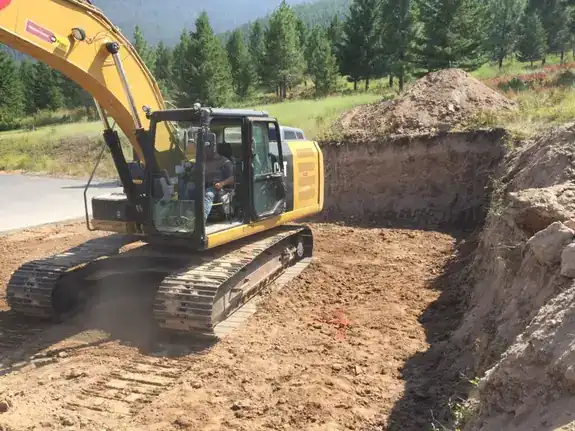
Excavation is often one of the first major phases of developing raw land.
Depending on the property, site work may include:
- Tree clearing
- Grading
- Cut and fill work
- Driveway installation
- Foundation excavation
- Drainage planning
- Retaining walls
- Utility trenching
- Building pad preparation
In Montana, rocky soil, steep terrain, and drainage challenges can all affect excavation costs.
Some mountain properties may require significant site preparation before the foundation can even begin.
Design the Home Around the Property
The best custom homes usually work with the natural land rather than fighting against it.
A well designed Montana home should consider:
- Views
- Natural light
- Slope and topography
- Drainage
- Snow management
- Outdoor living areas
- Wildfire exposure
- Privacy
- Energy efficiency
- Future maintenance
Some properties may work well with walkout basements, while others may be better suited for single level layouts or stepped foundations.
A good design should complement both the land and the homeowner’s long term lifestyle goals.
Understand County Permits and Requirements
Every county and jurisdiction throughout Montana can have different requirements.
Depending on the project, homeowners may need:
- Building permits
- Septic permits
- Electrical permits
- Mechanical permits
- Plumbing permits
- Driveway permits
- Engineering approvals
- Floodplain review
- Land use review
- Subdivision approvals if applicable
Permit timelines can vary significantly depending on the county, weather, engineering requirements, and project complexity.
Plan for Montana Weather and Seasonal Conditions
Montana weather affects raw land construction more than many homeowners expect.
Snow, mud, freezing temperatures, spring runoff, wildfire smoke, and difficult winter access can all impact excavation, deliveries, utility work, and construction schedules.
Planning should consider:
- Winter access
- Drainage and runoff
- Snow load
- Freeze and thaw cycles
- Material delivery timing
- Construction staging
- Seasonal excavation limitations
Good planning helps reduce delays and improve long term property performance.
Common Mistakes Homeowners Make With Raw Land
Some of the most common mistakes include:
Strong planning helps avoid many of these expensive surprises later.
- Buying land before evaluating buildability
- Underestimating excavation costs
- Ignoring utility development expenses
- Skipping early septic planning
- Designing the house before understanding the terrain
- Underestimating drainage issues
- Choosing difficult driveway locations
- Waiting too long to involve the builder
- Not budgeting for contingencies
- Assuming all acreage is easy to build on
Can You Build a Home Yourself on Raw Land?
Some homeowners choose to act as owner-builders and manage their own projects.
While this is possible in some situations, raw land construction often requires coordination between excavation contractors, utility companies, septic installers, engineers, inspectors, suppliers, and multiple trades.
Without strong planning and scheduling, projects can become delayed or significantly over budget.
Even homeowners managing their own project benefit from understanding the development process before construction begins.
Why Builder Involvement Early Matters
One of the best ways to avoid expensive mistakes is involving the builder early in the process.
A builder can help homeowners:
- Evaluate site conditions
- Understand realistic development costs
- Improve driveway planning
- Coordinate utilities
- Review drainage concerns
- Understand excavation requirements
- Improve budgeting
- Reduce design conflicts
- Avoid difficult building areas
At Montana Builders, we believe the planning stage is one of the most important parts of a successful custom home project.
Areas Montana Builders Serves
Montana Builders serves homeowners throughout Missoula and Western Montana, including Hamilton, Stevensville, Florence, Lolo, Polson, Kalispell, Whitefish, Bigfork, Seeley Lake, the Bitterroot Valley, Flathead Valley, and surrounding areas.
Depending on the project, Montana Builders may travel roughly two to two and a half hours from Missoula for custom home construction and raw land development projects.
Distances are straight-line from Lolo, not drive times.
Projects near Bozeman and Big Sky are taken on depending on scope and logistics.
Map data © OpenStreetMap contributors.
Final Thoughts
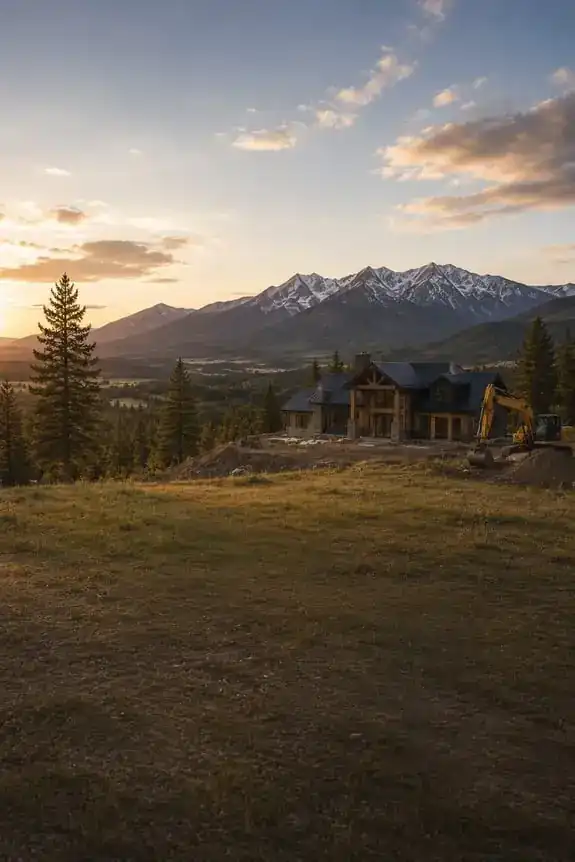
Building on raw land in Montana can be an incredible opportunity, but successful projects start with strong planning.
The land itself affects excavation, utilities, septic systems, drainage, access, permits, engineering, and the overall construction process. Understanding those conditions early helps homeowners avoid expensive surprises and build more confidently.
Whether you are developing acreage, mountain property, wooded land, or rural Montana property, Montana Builders can help guide the process from early planning through final construction.
Start by exploring our Build on Your Land in Montana, Pre Construction Planning Guide for Montana Homes, and Cost to Build a Custom Home in Montana resources.
Luxury Custom Homes in Western Montana
Mountain Modern Home Design in Montana
Start your project
Ready to Develop Your Raw Land?
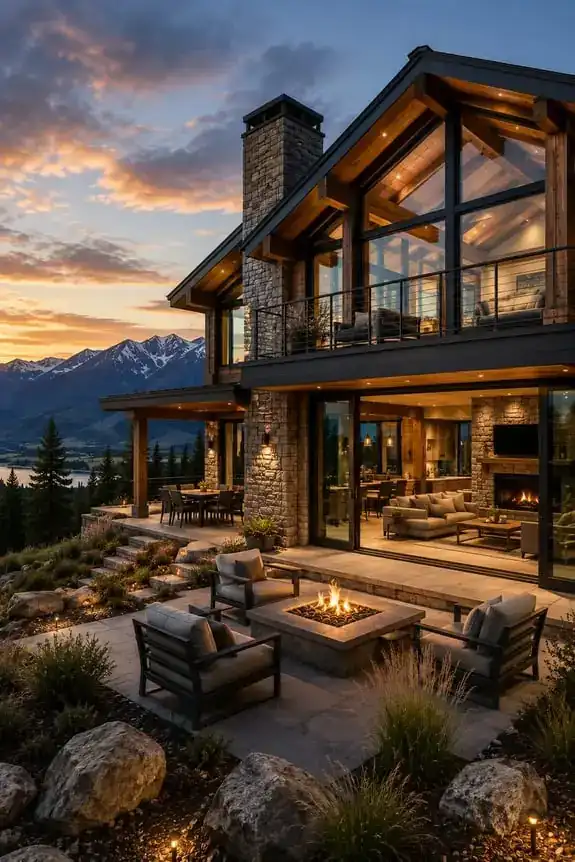
Montana Builders helps homeowners throughout Western Montana plan and build custom homes on raw land, acreage, mountain property, and undeveloped lots.