 Montana Builders
Missoula & Western Montana
How to Build on Your Land in Montana
Building on your own land in Montana starts with evaluating access, drainage, septic and well placement, and utility costs before design begins. Montana Builders, an Experienced Custom Home Builder serving Missoula and Western Montana, helps homeowners avoid costly site surprises. Learn more about Excavation Services and Custom Home Builder in Missoula, then Book a Consultation.
How to Build on Raw Land in Western Montana: A Step-by-Step Guide
Building on raw land in Western Montana requires planning that accounts for utility access, soil conditions, septic feasibility, well requirements, and local permit timelines — all before construction begins. Montana Builders guides land buyers across Missoula, Lolo, Frenchtown, Florence, Stevensville, and Clinton through the site evaluation and development process from the moment a land purchase is finalized.
What Site Development Steps Are Required Before Building on Montana Land?
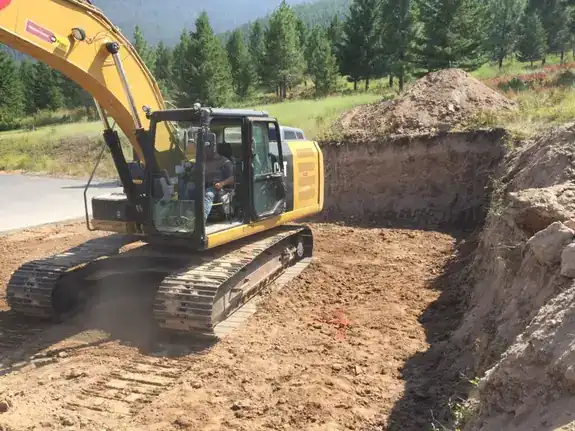
Raw land in Missoula County often requires significant site preparation before a home can be built — including excavation and grading, access road construction, and utility trenching. Montana Builders assesses these requirements early and incorporates them into realistic project budgets. Explore our custom home builder and home construction pages for full scope of our new build capabilities.
Montana Builders has developed raw land sites throughout Western Montana for 26 years — we know what Missoula County permits require, what septic systems cost, and how long utility connections take in rural locations. Call (406) 239-7799 or schedule a land assessment before you build. Our blog covers additional land development topics to help you prepare for your Western Montana build.
Build on Your Land in Montana
Build on Your Land in Montana
Building a custom home on your own land in Montana is one of the most exciting opportunities a homeowner can have. Whether you recently purchased acreage, inherited family property, found a mountain view lot, or are planning to build your dream home on rural land, the process starts long before construction begins.
Many homeowners imagine the home itself first, but the land often determines much of the project. Access, utilities, septic, well placement, drainage, excavation, permits, engineering, weather, and terrain all affect what can realistically be built and how much the project may cost.
At Montana Builders, we help homeowners throughout Missoula and Western Montana understand the process of building on raw land, acreage, mountain property, and undeveloped lots.
Whether you are building in Missoula, Hamilton, Stevensville, Florence, Polson, Kalispell, Whitefish, Seeley Lake, Bigfork, the Bitterroot Valley, Flathead Valley, or surrounding Montana communities, understanding your property early can save time, money, and frustration later.
If you are just starting the process, we also recommend exploring our Pre Construction Planning Guide for Montana Homes and Cost to Build a Custom Home in Montana resources.
What Does “Build on Your Land” Mean?
“Build on your land” simply means constructing a home on property you already own or plan to purchase.
Unlike subdivision homes where utilities, roads, and infrastructure may already exist, building on your own land often requires additional planning for:
- Driveway access
- Excavation and grading
- Well and septic systems
- Power and utilities
- Drainage
- Engineering
- Permits
- Snow and weather conditions
- Rural access
In Montana, no two properties are exactly the same. A flat lot inside city limits is very different from a steep mountain parcel outside Hamilton or a heavily wooded property near Seeley Lake.
That is why understanding the land itself is one of the most important parts of the process.
Why Building on Raw Land in Montana Is Different
Many people moving to Montana dream of building on acreage with mountain views, privacy, trees, wildlife, and outdoor living space.
While those properties can be incredible long term investments, they often require more development than homeowners initially expect.
Raw land may need:
- Road access
- Excavation
- Driveway installation
- Well drilling
- Septic system installation
- Drainage planning
- Power extension
- Tree clearing
- Site grading
- Utility trenching
- Engineering review
Some properties may also have steep terrain, rocky soil, limited winter access, wildfire exposure, floodplain concerns, or utility challenges that affect the overall project.
The goal is not to scare homeowners away from raw land. It is simply to understand the property before construction begins.
How the work goes
Evaluate the Property Before Designing the Home
One of the biggest mistakes homeowners make is designing the house before fully understanding the land.
A property may look perfect online or from the road, but the actual buildability may depend on:
- Slope and terrain
- Driveway access
- Drainage
- Soil conditions
- Rock and excavation difficulty
- Buildable area
- Setbacks
- Utility access
- Well location
- Septic suitability
- Floodplain conditions
- Snow load exposure
- Fire access requirements
- Tree clearing needs
- Construction staging space
Before finalizing plans, the land should be evaluated from both a construction and development perspective.
Understand Septic and Well Requirements
If the property is outside city services, the home may require a private well and septic system.
This is one of the most important parts of building on rural land in Montana because septic and well placement can affect where the home can legally be located.
Depending on the property, the project may require:
- Soil evaluation
- Septic design
- Drainfield planning
- Replacement septic area
- Well drilling
- County approval
- Setback verification
- Drainage planning
These items should usually be addressed early in the planning process before the final home placement is locked in.
Many homeowners underestimate how much septic and utility planning affects the overall project layout.
Plan for Driveway Access and Excavation
Access matters more than many homeowners realize.
Construction crews, excavation equipment, concrete trucks, material deliveries, utility providers, inspectors, and future homeowners all need safe and reliable access to the property.
Some mountain or rural properties may require:
- Long driveways
- Retaining walls
- Culverts
- Drainage improvements
- Tree clearing
- Steep grade adjustments
- Excavation for level building areas
- Temporary construction access roads
Excavation costs can vary significantly depending on the terrain, rock conditions, slope, and amount of grading required.
A difficult property may still be worth building on, but it should be evaluated realistically before budgeting.
Understand Utility Costs Early
One of the biggest budget surprises for homeowners building on raw land is utility development.
Utilities may include:
- Power extension
- Transformer installation
- Utility trenching
- Propane systems
- Internet service
- Water systems
- Temporary construction power
In rural Montana, power may need to be extended significant distances depending on the location of existing utility infrastructure.
Long utility runs can increase the project cost quickly.
This is why it is important to understand utility availability before finalizing the home location or budget.
Choose the Right Home for the Property
A custom home should fit the land.
A home designed for a flat subdivision lot may not work efficiently on steep mountain acreage or heavily wooded terrain.
The best custom homes often work with the natural topography rather than fighting against it.
This may include:
- Walkout basements
- Covered outdoor living spaces
- View oriented windows
- Mountain modern architecture
- Drainage conscious site planning
- Snow management planning
- Energy efficient positioning
- Natural landscaping integration
Good design should balance aesthetics, function, buildability, durability, and long term maintenance.
Work With a Builder Early
One of the smartest things homeowners can do is involve the builder early in the process.
Many expensive problems happen when homeowners purchase land or finalize plans before understanding the real world construction challenges.
Builder involvement early can help homeowners:
- Understand realistic costs
- Evaluate site conditions
- Avoid difficult building areas
- Plan utilities properly
- Coordinate excavation
- Improve budgeting
- Reduce design conflicts
- Understand permit requirements
- Prevent expensive surprises later
At Montana Builders, we believe good planning creates smoother construction.
Understand County Permits and Requirements
Every county and jurisdiction in Montana can be slightly different.
Depending on the location and project, homeowners may need:
- Building permits
- Septic permits
- Well approvals
- Electrical permits
- Mechanical permits
- Plumbing permits
- Driveway permits
- Floodplain review
- Engineering approvals
- Land use review
- Subdivision requirements
Permit timelines can vary depending on the county, complexity of the project, weather, and engineering requirements.
Prepare for Montana Weather and Seasonal Conditions
Montana weather affects construction more than many homeowners expect.
Snow, mud, freezing temperatures, wildfire smoke, heavy rain, and winter access can all affect excavation, concrete work, framing, roofing, and scheduling.
Some rural roads may also become more difficult to access during certain seasons.
Good planning should account for:
- Winter access
- Drainage and runoff
- Snow load
- Freeze and thaw cycles
- Material delivery timing
- Construction staging
- Seasonal excavation conditions
Common Mistakes Homeowners Make When Building on Land
Some of the most common mistakes include:
A strong planning process helps avoid many of these issues before construction starts.
- Buying land before understanding buildability
- Underestimating excavation costs
- Ignoring utility development costs
- Skipping early septic planning
- Not evaluating drainage properly
- Choosing a home design that fights the terrain
- Waiting too long to involve the builder
- Underestimating permit timelines
- Not budgeting for contingencies
- Assuming all acreage is easy to build on
Can You Build a Home Yourself in Montana?
Some homeowners choose to act as owner-builders and manage their own projects.
While this is possible in some situations, homeowners should understand that building on raw land often requires coordination between excavation crews, utility companies, septic installers, well drillers, inspectors, engineers, suppliers, subcontractors, and county departments.
Without strong planning and scheduling, projects can become delayed or significantly over budget.
Even owner-builders benefit from understanding the development process before construction begins.
Why Early Planning Saves Money
The earlier problems are identified, the easier and less expensive they usually are to solve.
A good pre construction process can help homeowners:
- Avoid expensive redesigns
- Reduce change orders
- Coordinate utilities efficiently
- Improve excavation planning
- Prevent drainage problems
- Plan the driveway correctly
- Understand real construction costs
- Reduce delays
- Improve scheduling
Planning does not eliminate every issue, but it dramatically improves the overall building experience.
Areas Montana Builders Serves
Montana Builders serves homeowners throughout Missoula and Western Montana, including Hamilton, Stevensville, Florence, Lolo, Polson, Kalispell, Whitefish, Bigfork, Seeley Lake, the Bitterroot Valley, Flathead Valley, and surrounding areas.
Depending on the project, Montana Builders may travel roughly two to two and a half hours from Missoula for custom home construction and rural property development.
Distances are straight-line from Lolo, not drive times.
Projects near Bozeman and Big Sky are taken on depending on scope and logistics.
Map data © OpenStreetMap contributors.
Final Thoughts
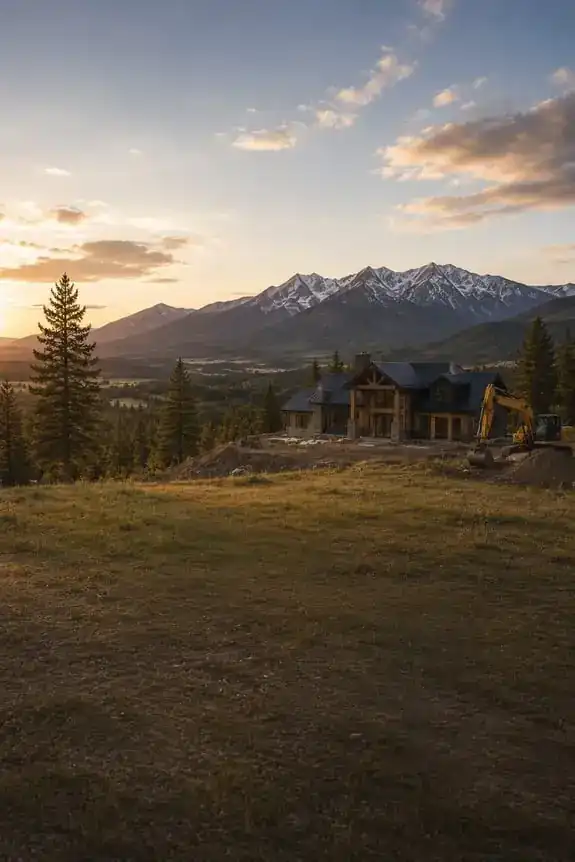
Building on your own land in Montana can be one of the most rewarding investments you ever make, but successful projects start with strong planning.
The land itself affects the budget, utilities, excavation, septic, drainage, access, permits, and overall construction process. Understanding those conditions early helps homeowners make better decisions before construction begins.
Whether you are building on acreage, raw land, mountain property, or rural land throughout Western Montana, Montana Builders can help guide the process from early planning through final construction.
Start by exploring our Custom Home Builder in Missoula and Western Montana, Cost to Build a Custom Home in Montana, and Pre Construction Planning Guide for Montana Homes resources.
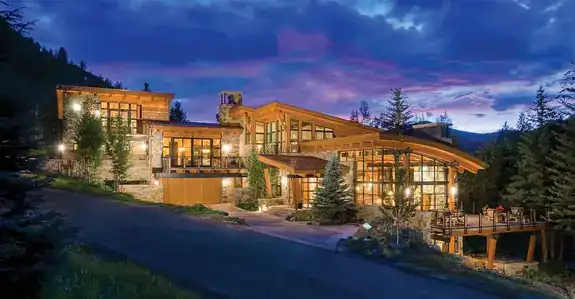
Luxury Custom Homes in Western Montana
Mountain Modern Home Design in Montana
Start your project
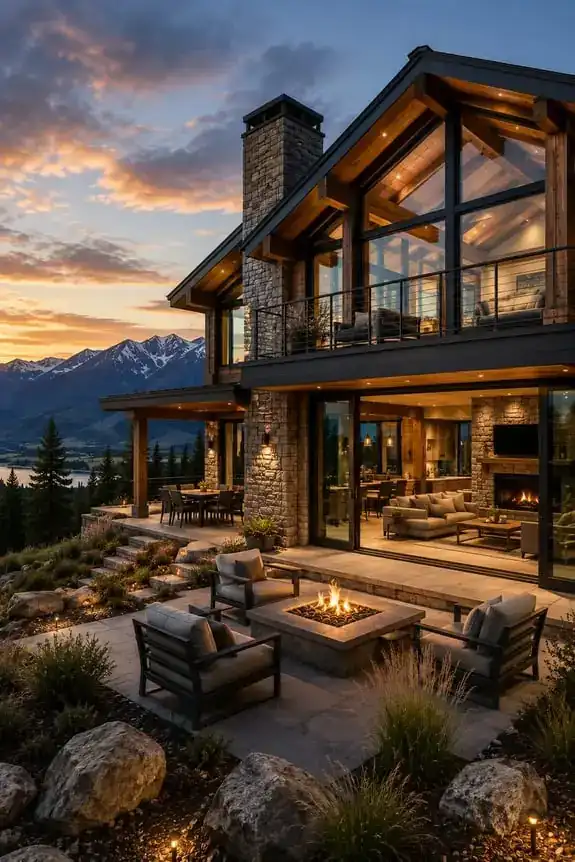
Ready to Build on Your Land?
Montana Builders helps homeowners throughout Western Montana plan and build custom homes on rural land, acreage, mountain property, and undeveloped lots.